A new Molière play written using AI
At the crossroads of classical heritage, art, and new technologies, an ambitious dream has taken shape: a journey into 17th-century France through the pen of its greatest playwright, Molière.
What masterpiece might Molière have written had he not died in February 1673? Could artists, researchers, and the most advanced generative AI technologies be brought together to answer such a question?
A criticism of pseudo science
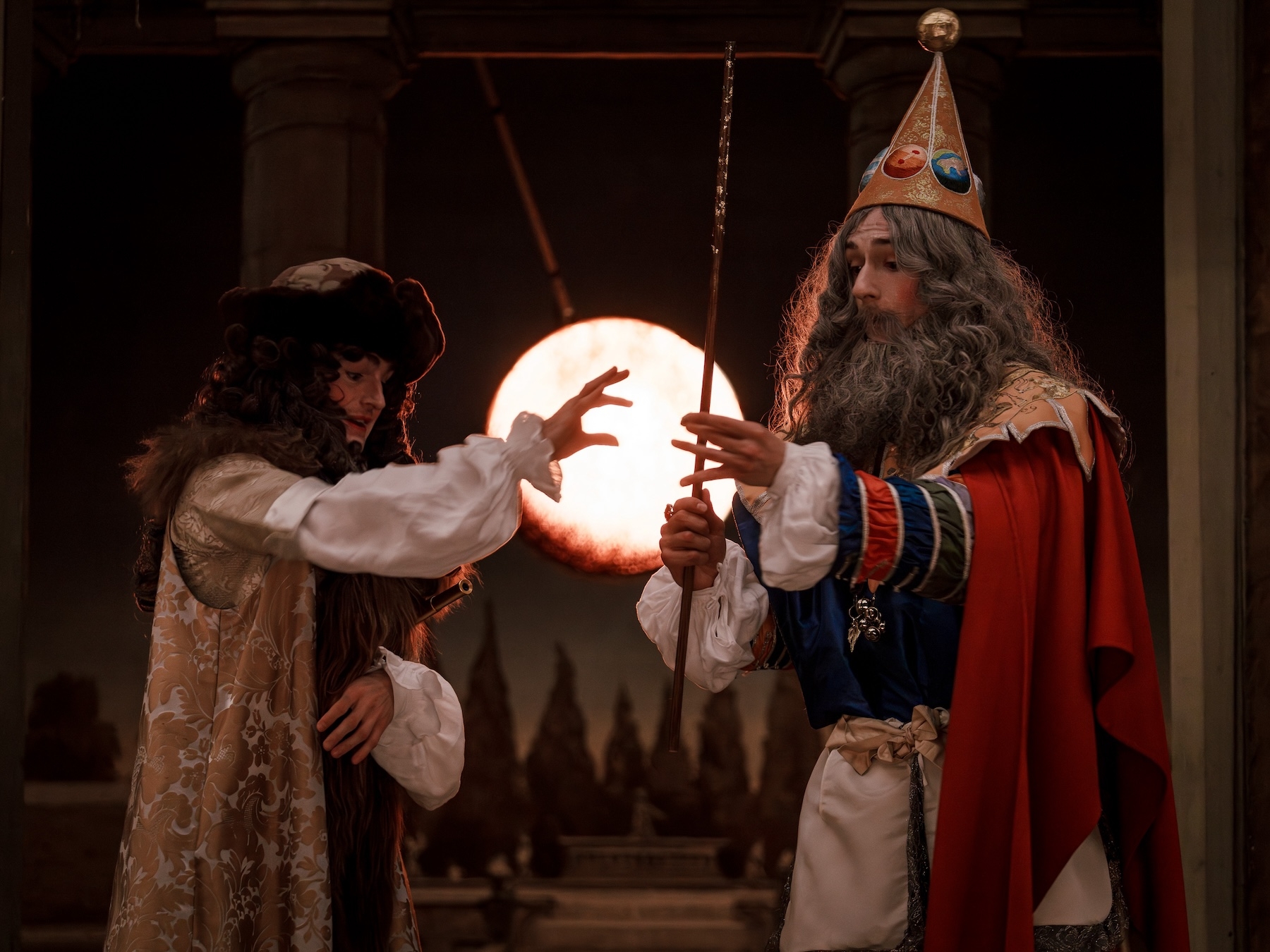
The plot revolves around Géronte, a gullible father; his daughter Lucile, bound to an arranged marriage; and Cléonte, her devoted lover, who struggles against the schemes of a fraudulent astrologer. At its core lies astrology, a recurring theme in Molière’s work and a hallmark of Baroque theatre.
Molière Ex Machina becomes both a mirror held up to our society and a profound reflection on knowledge, belief, and the act of creation.
It stands as a time capsule, used here as a striking mirror of today’s world, where new credulities thrive on social media with the developement of generative AI.
A total work of art
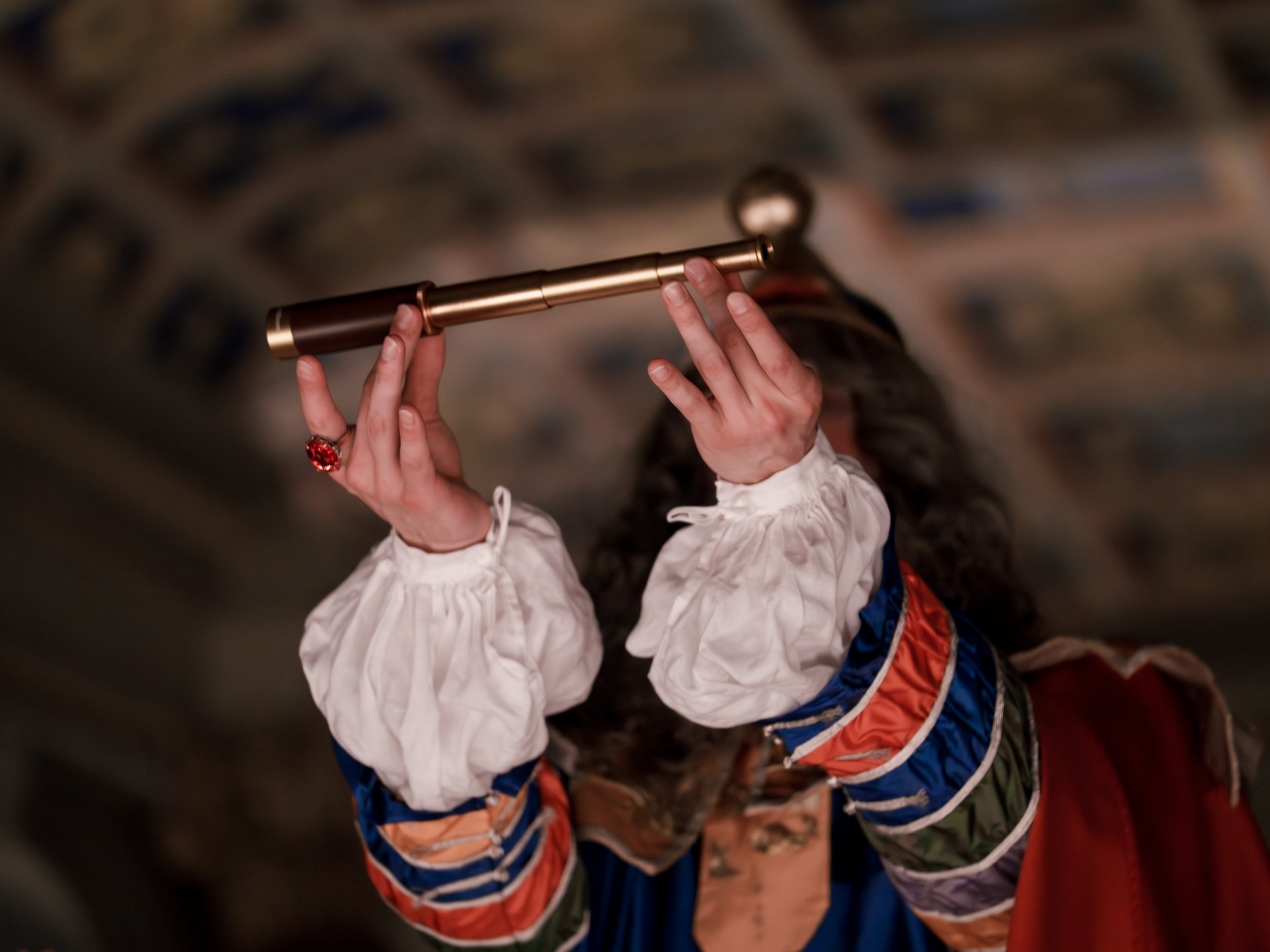
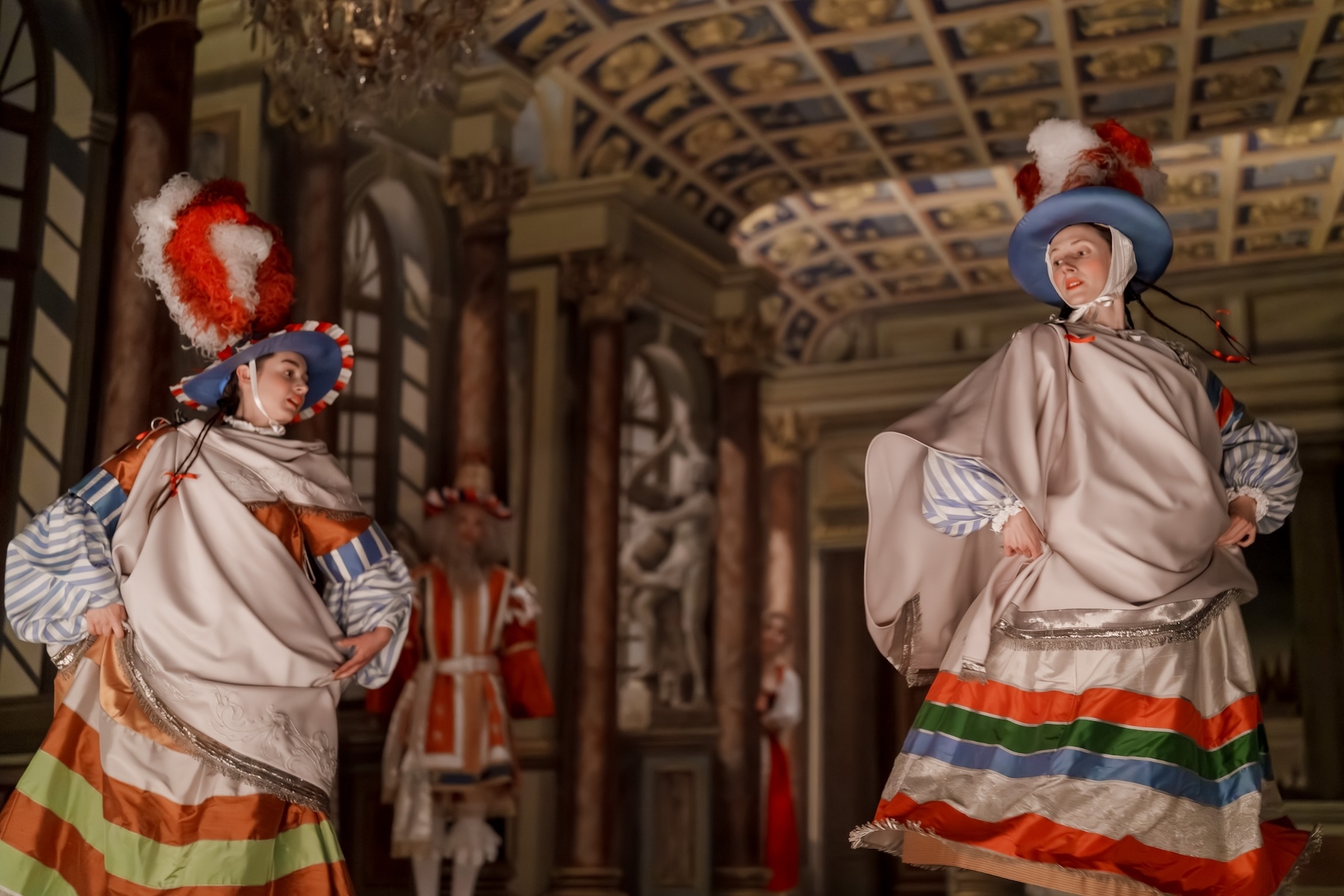
In this project, we aim at creating a total work of art, one that is historically informed, while all of the processes of creation are revisited. The synopsis, the dialogues, and also the costumes, the stage and the music, everything is generated using AI algorithms.
The creation of the play combines the best tools we have in our hands, for a demonstration of creation, one with the human factor kept at its center.
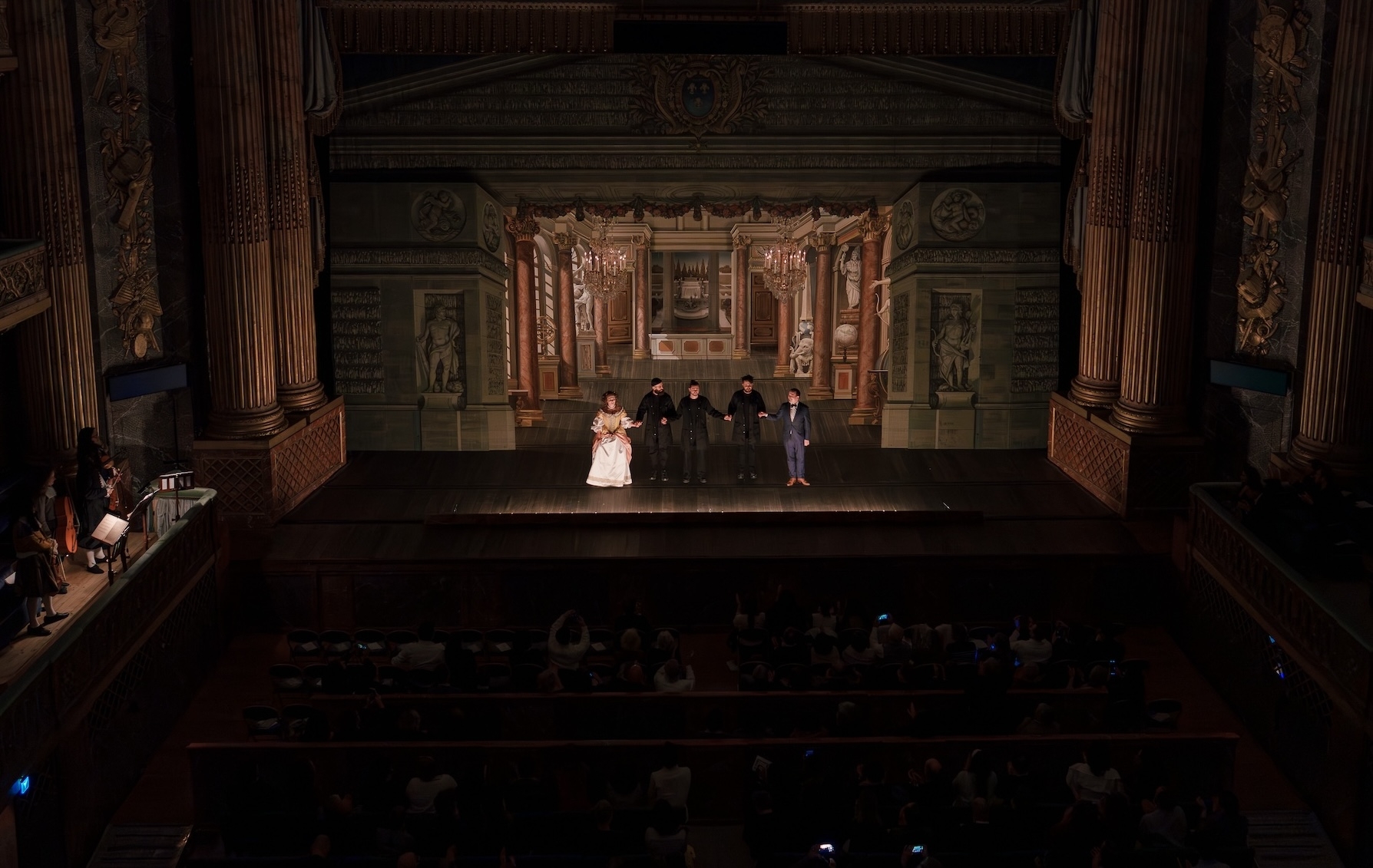
A first representation at Opera Royal de Versailles
This ambitious project gathers the greatest historians of Molière with the Theatre Molière Sorbonne, experts in text generation at Mistral AI, and calls to our expertise at Obvious for the generation of the text, the costumes, the stage and the music.
"L'astrologue ou les faux présages" is to be played at Opera Royal de Versailles in Chateau de Versailles, and a public series of representations will follow this first event.