An exploration of the future of human/machine relationships
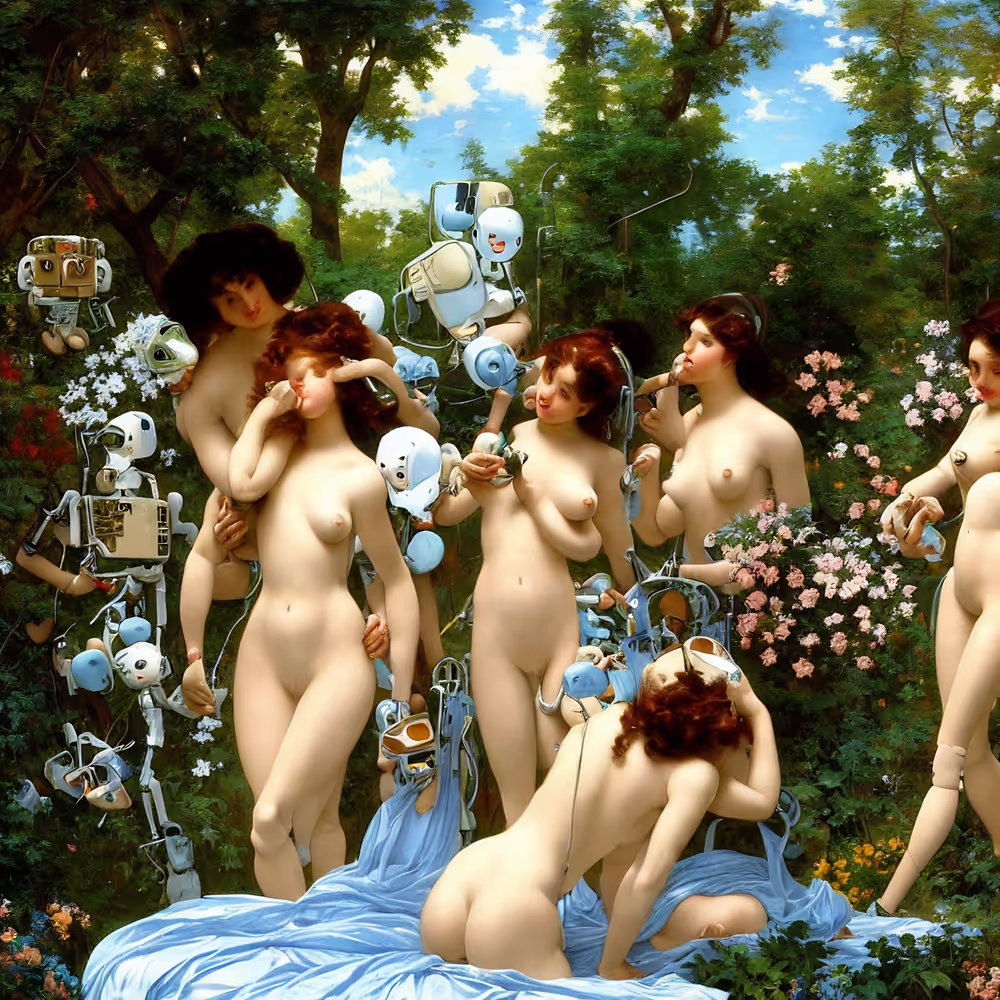
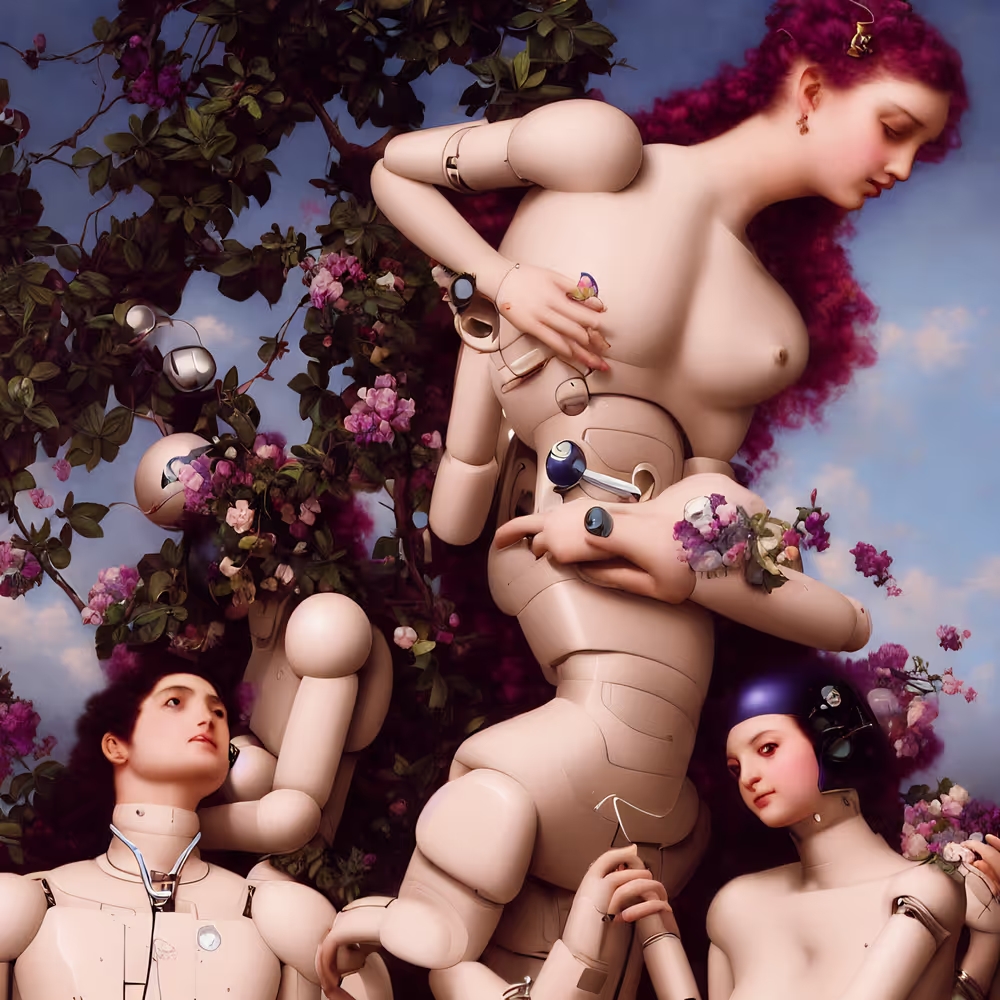
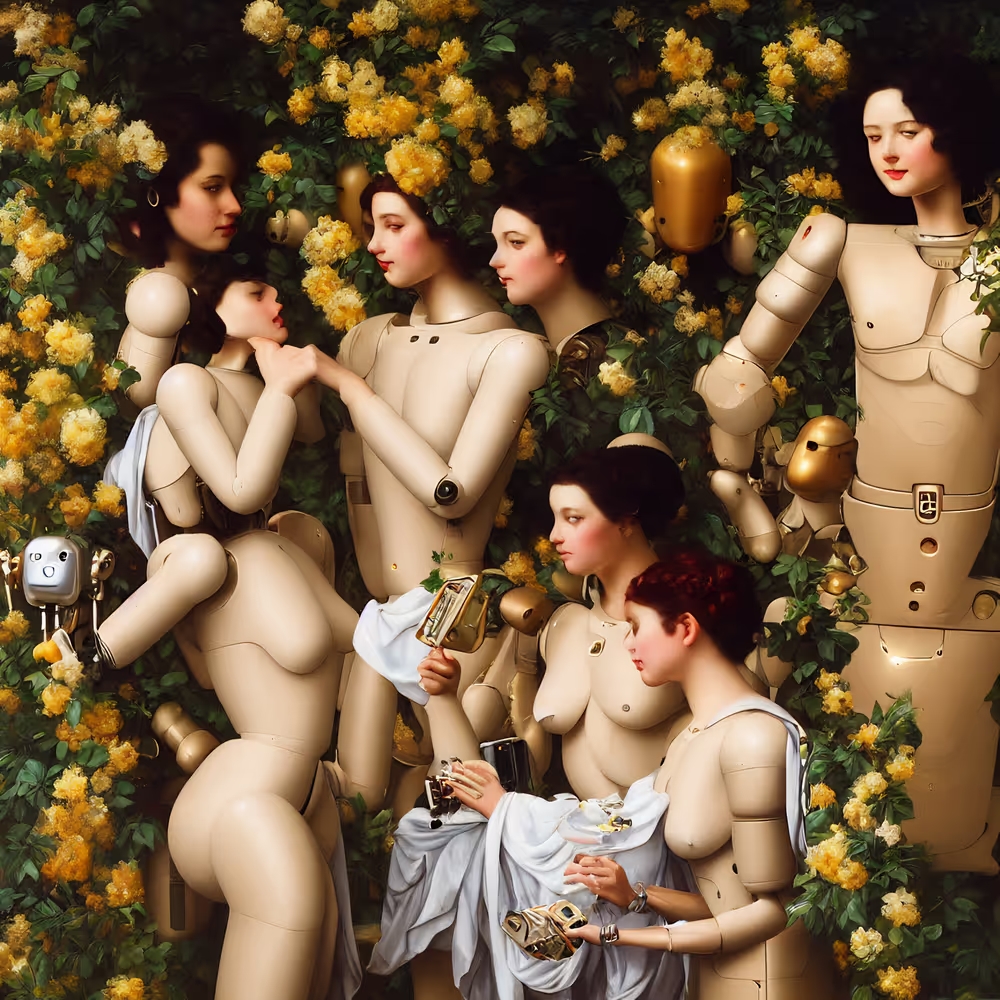
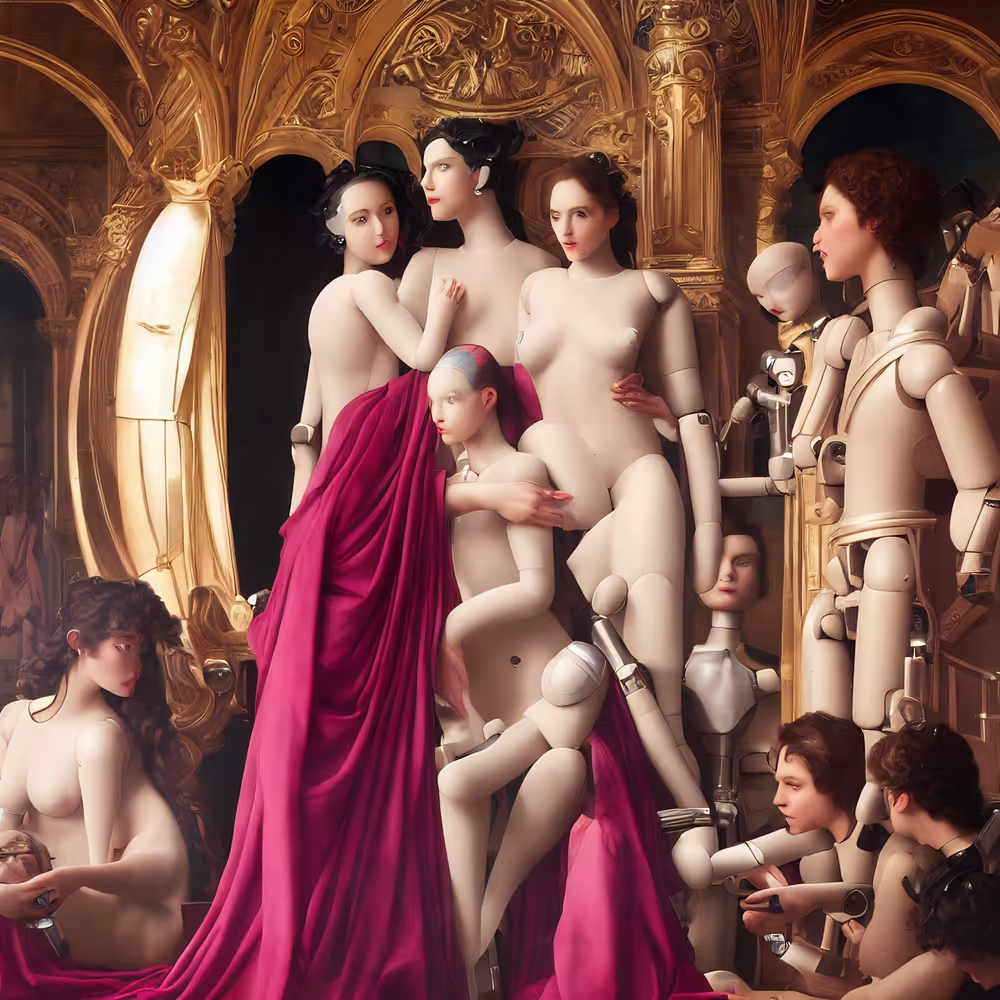
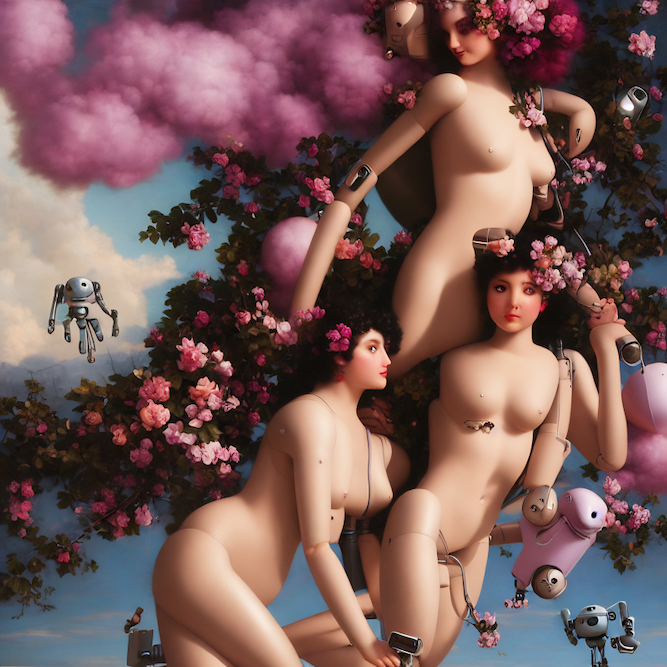
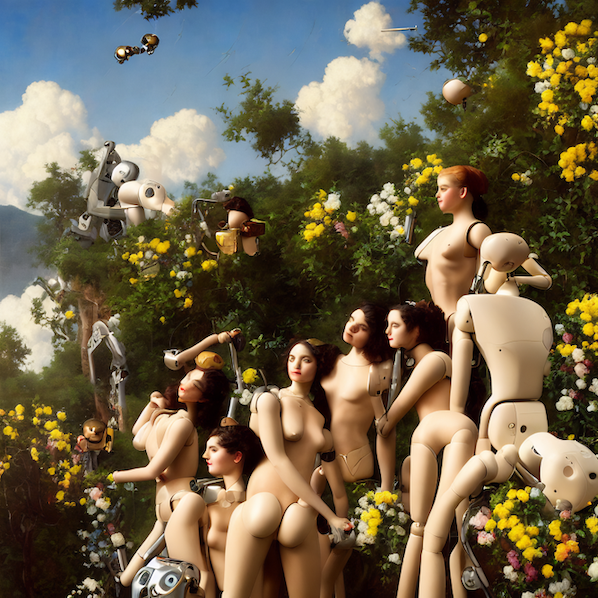
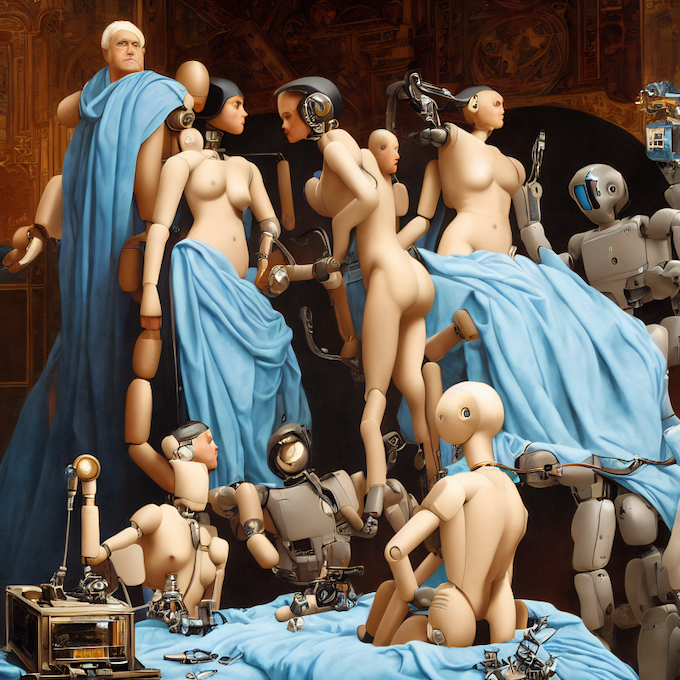
The Speciesism collection explores the intimate relationship between human and machine. It invites the viewer to question the categorization of intelligent forms into species, and as a result our relationship towards them.
This series refers to the book by Philip K. Dick, “Do Androids Dream of Electric Sheep?”, particularly to the sexual scene after which the main character starts feeling empathetic for androids, a species he has been hunting until that moment.
Consciousness as a turning point
While science fiction has led us to personify AI, the recent research breakthroughs in this field leads to a display of excitement and fear towards these technologies.
We are still far from having developed a new form of consciousness, but we should already ask ourselves if this is the ideal we wish to reach for, and if so, how we plan to interact with this new species.
69 works created using the Long-Form principle
This series was created and minted on K011, following the long-form principles - a single algorithm is deployed, and multiple unique outputs are generated from it at the time of mint, using varying inputs like traits and seed.
As a result, the artists discovered the creations at the same time as the collectors, creating a shared atmosphere of surprise.
A fresco exhibited in the Node to Node group show
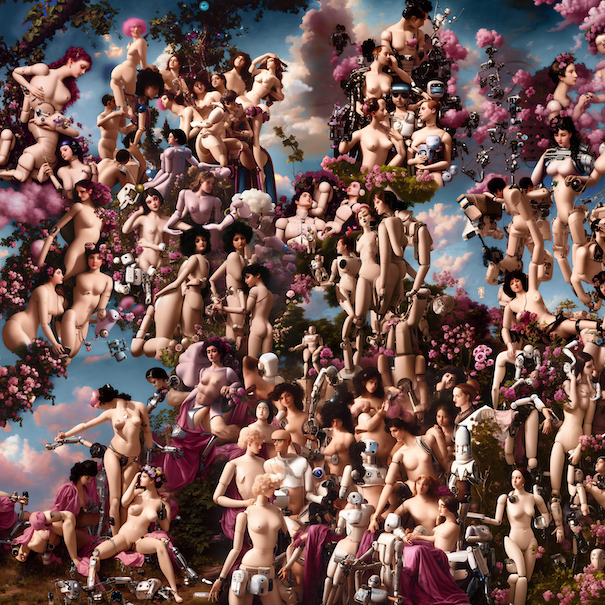
Using the same algorithms, Obvious generated other exemples of artworks. They used this as a basis for the creation of a fresco using outpainting algorithms.
The fresco was exhibited during the Node to Node show organized by Kate Vass Gallery in Paris, alongside other generative and AI artists.


A digital series given physicality
As a follow-up to this series, Obvious collaborated with Dorcel to create their advent calendar, using inspirations from the aesthetics of this series, with the ambition to share the message behind these creation with a larger audience.
The project explores the thematics of sexuality and love through an object filled with the current versions of machines made for enhancing or replacing intimate relationships.