Reconsidering the Golden Ratio
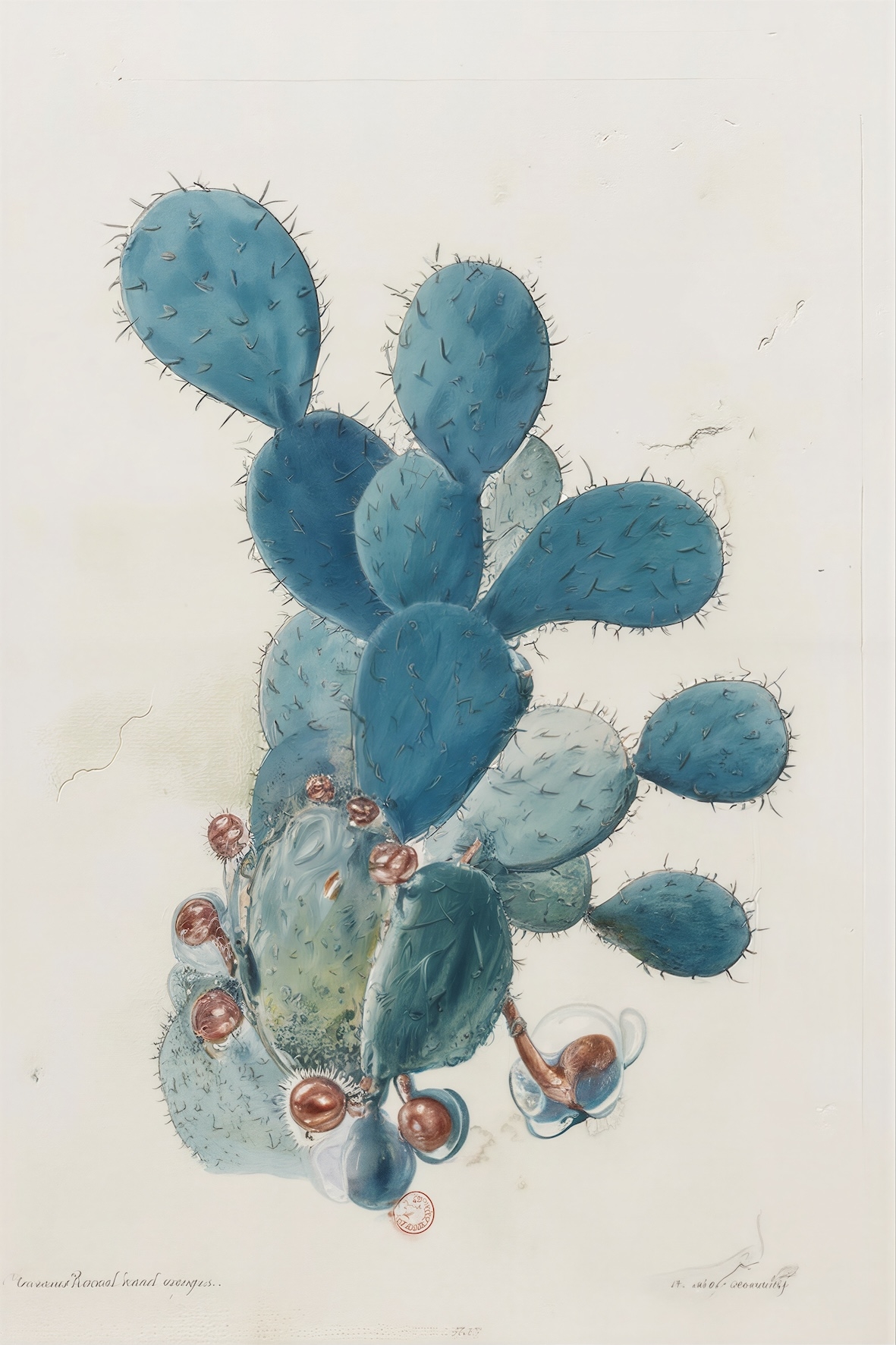
The golden ratio is often framed as a universal law of visual harmony, yet its presence in art and nature remains inconsistent and frequently overstated. Rather than validating this claim, the project tests it by generating images that explicitly follow its proportions.
By embedding the ratio directly into the generative process, the experiment shifts from interpretation to production. It observes how a fixed mathematical constraint shapes composition, offering a practical perspective on a concept often treated as theoretical.
Conditioning Generation by Proportion
Proportion is introduced as a primary constraint in the generation pipeline. A dataset is analyzed to extract spatial layouts, object placements, and relative scales, then aligned with golden ratio relationships to condition the training process.
The system generates new compositions whose internal geometry follows this ratio, rather than imitating existing images. This creates a controlled setup to observe how a predefined proportional rule influences visual structure and outcomes.
Naturalist Forms and Archival Collaboration
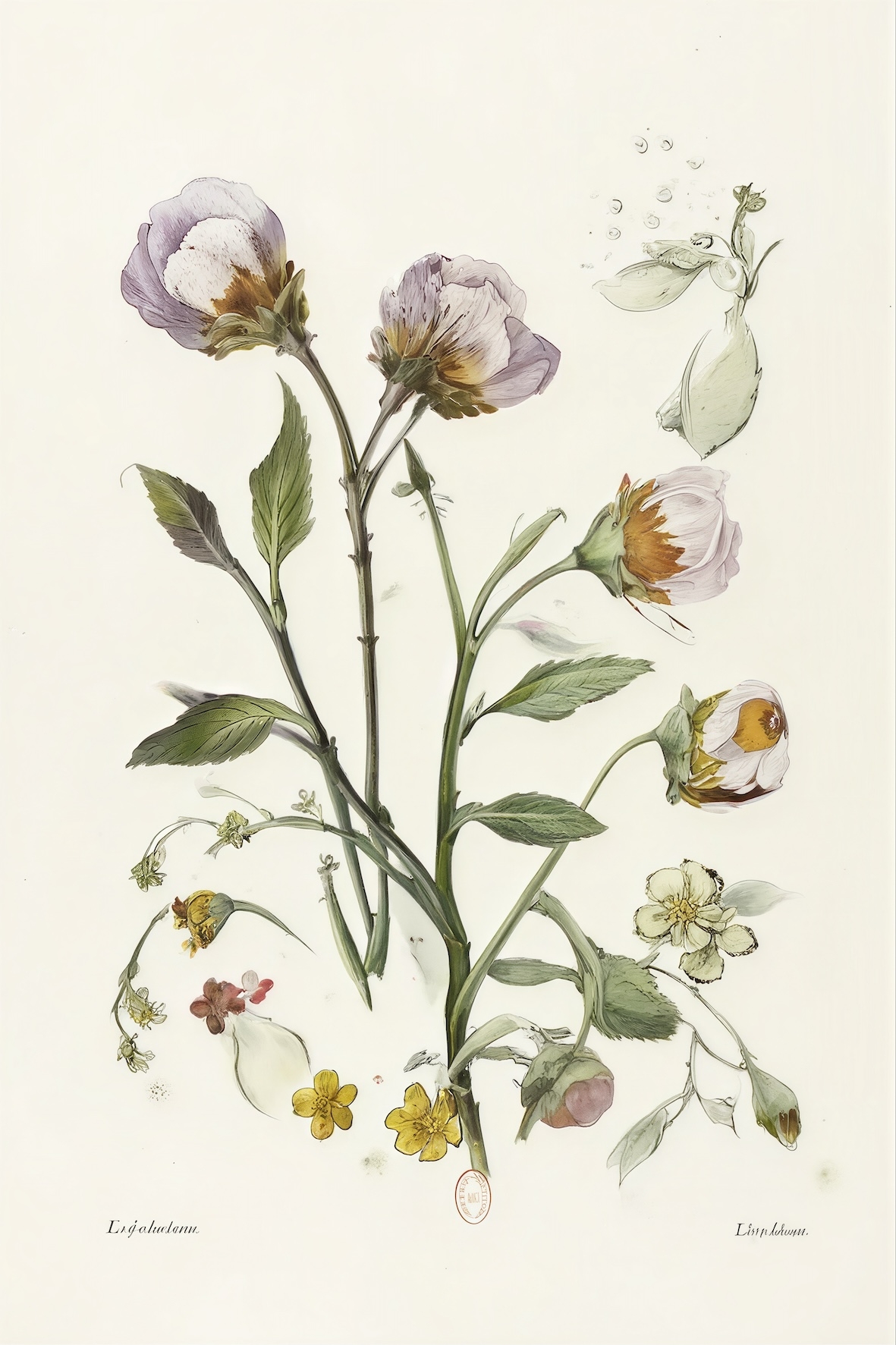
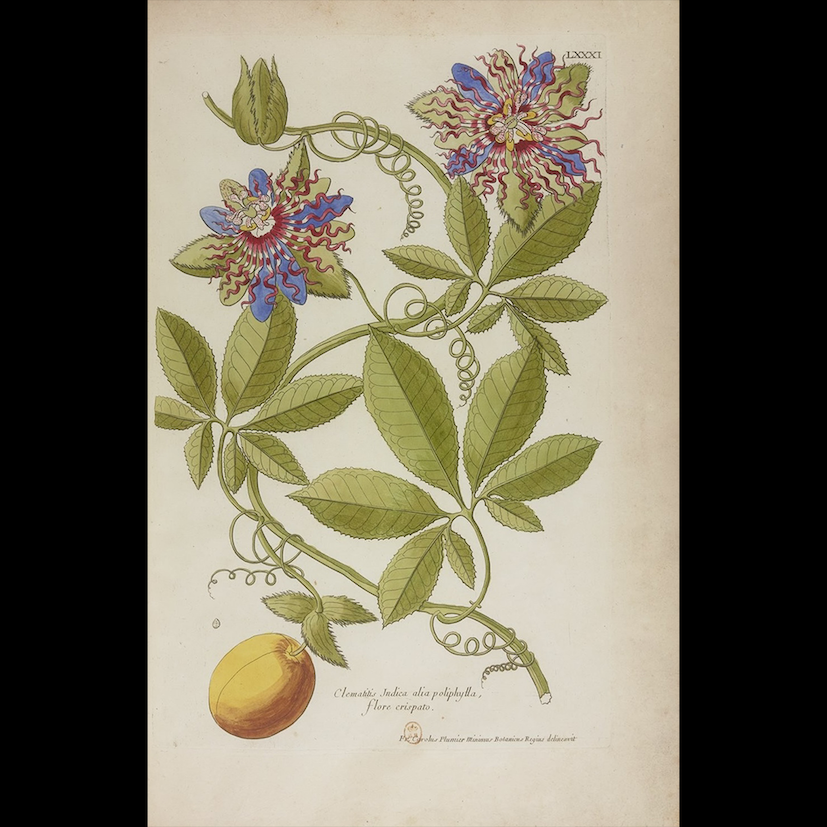
To ground the experiment, the team collaborated with the Bibliothèque nationale de France and its archivists. A corpus of naturalist drawings was used to train a LoRA, enabling images that adopt the codes of scientific illustration.
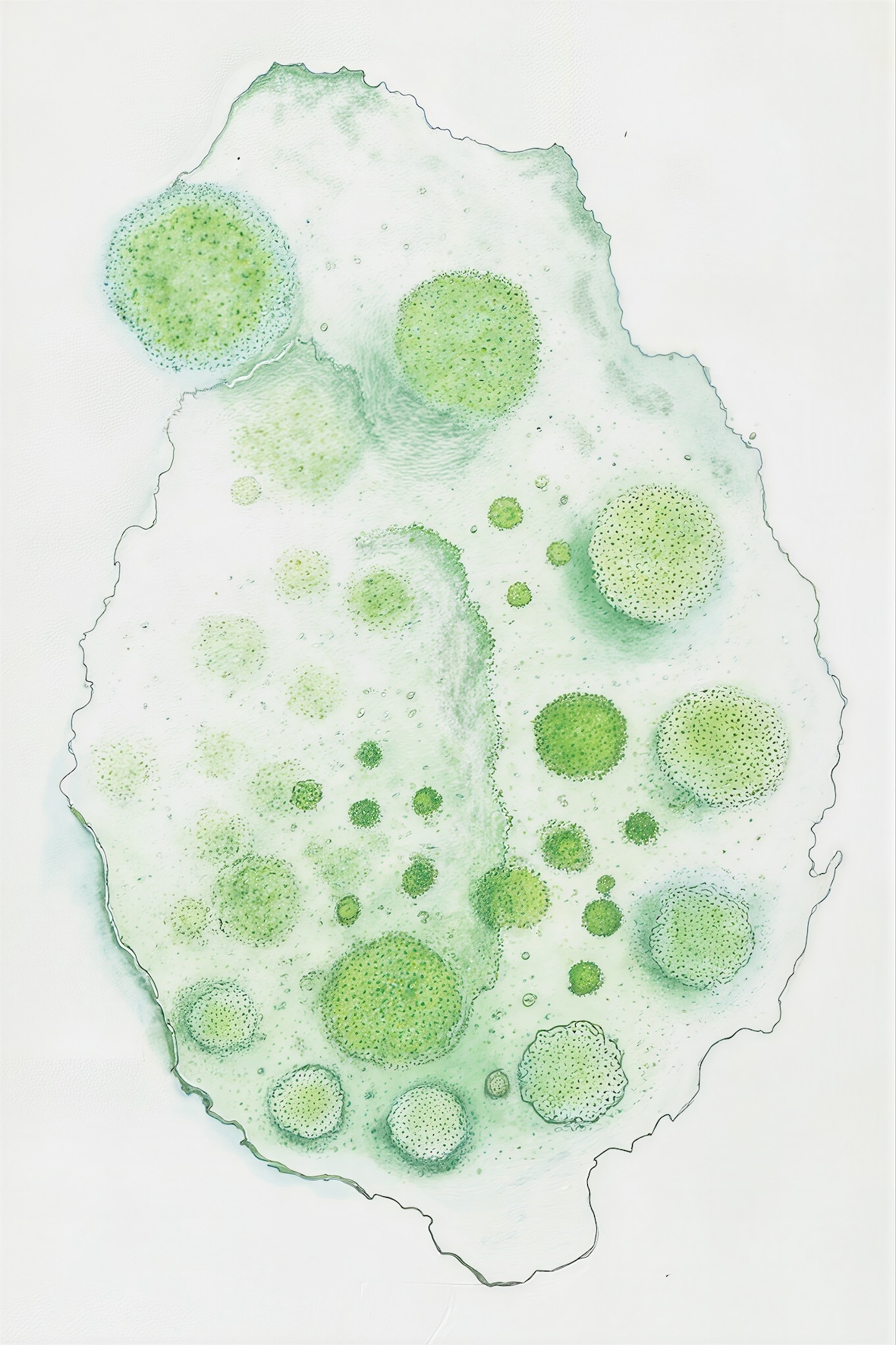
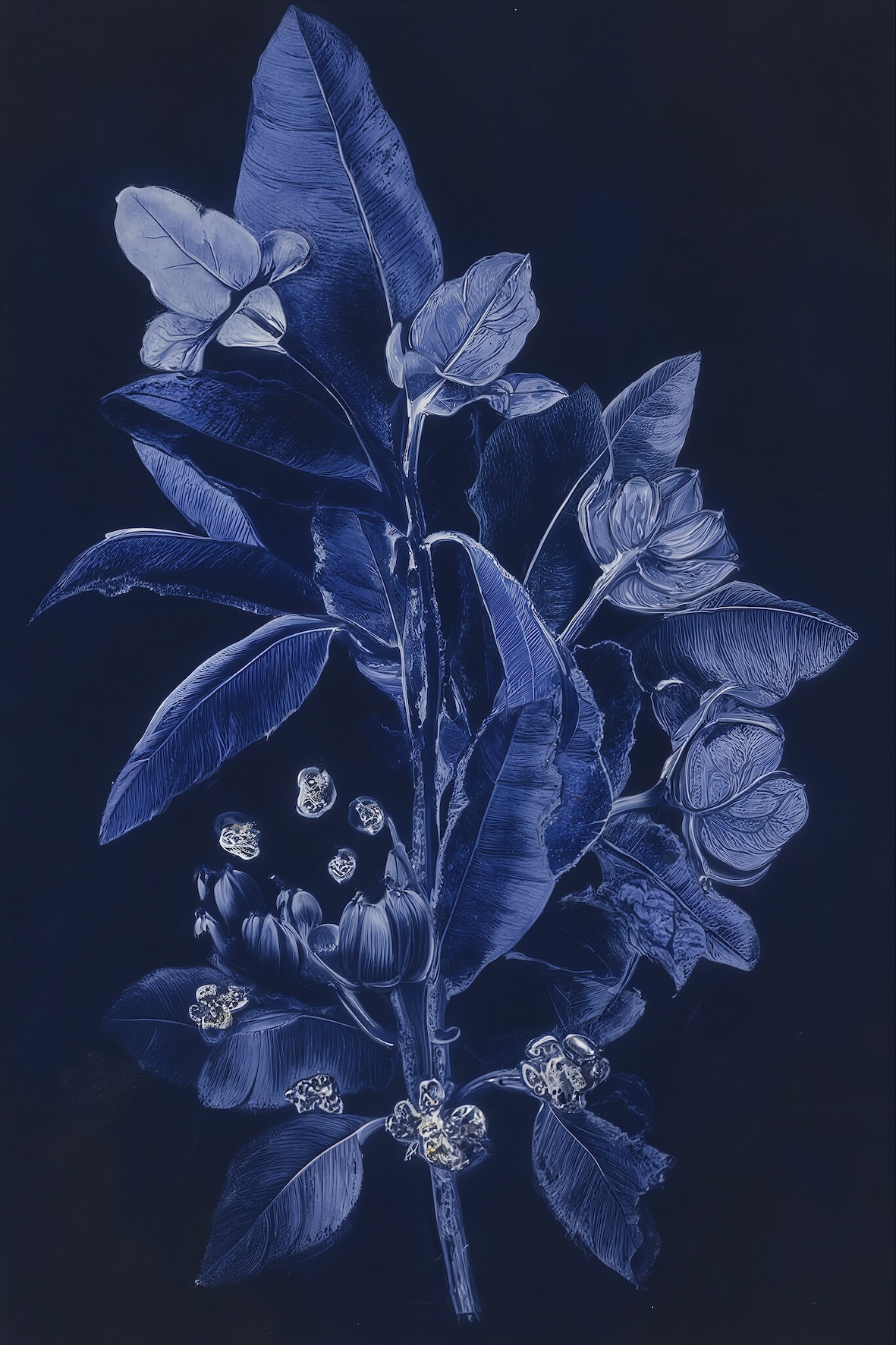
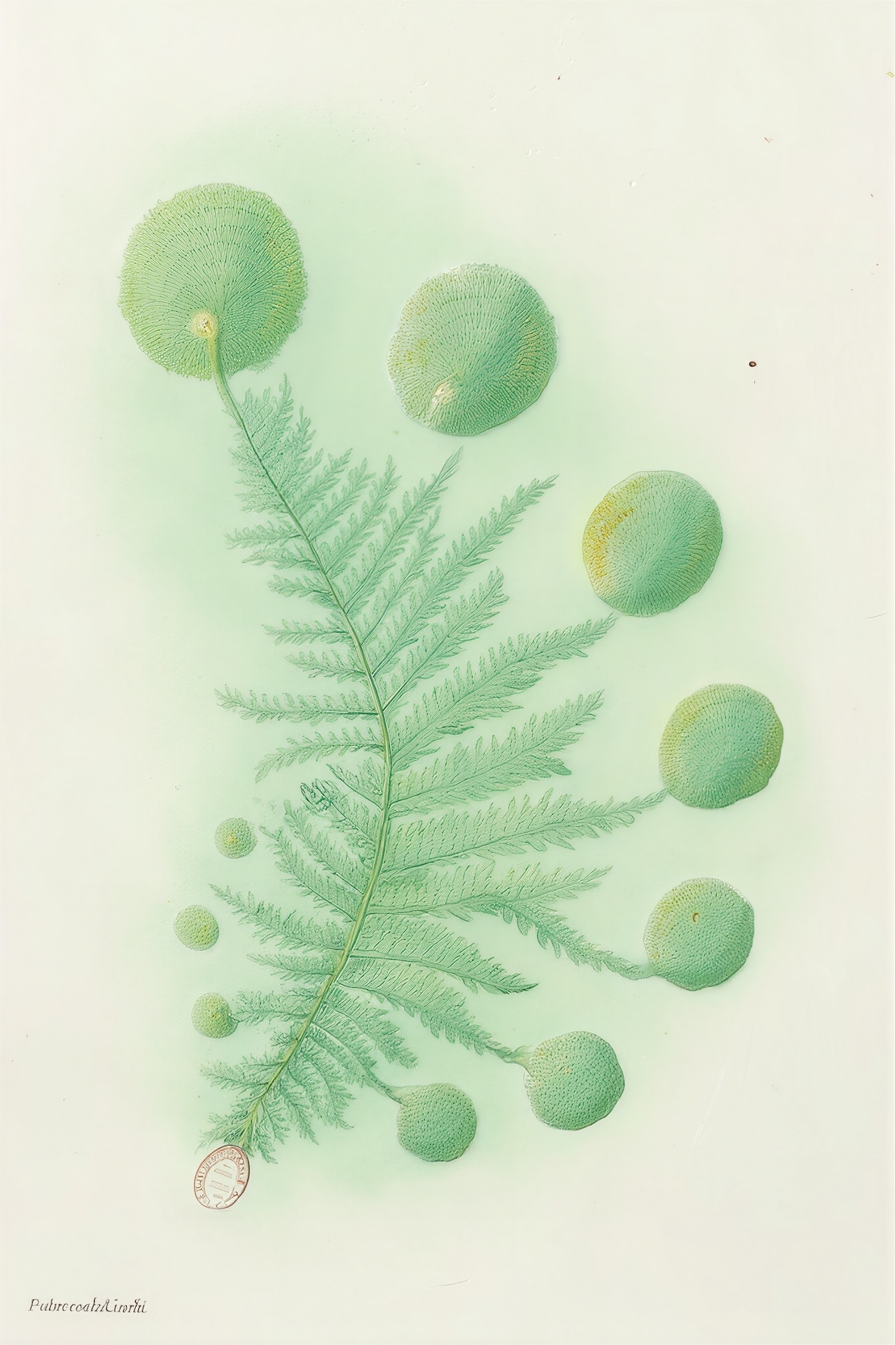
The resulting artworks depict invented plant species, extending naturalist traditions into speculative forms. They suggest how AI could support new ways of understanding ecosystems and adapting to environmental constraints, bridging archival knowledge and generative processes.
A First Series of Experiments
The project results in a series of 100 digital artworks, available openly. Each image explores how imposed proportions interact with learned visual structures, producing variations within a constrained generative system.
Each experiment captures discoveries, surprises, and open questions. It offers a glimpse into a continuous research practice, where generative systems are used to explore, test, and refine new aesthetic and conceptual directions.
Exhibition at Noûs, BnF
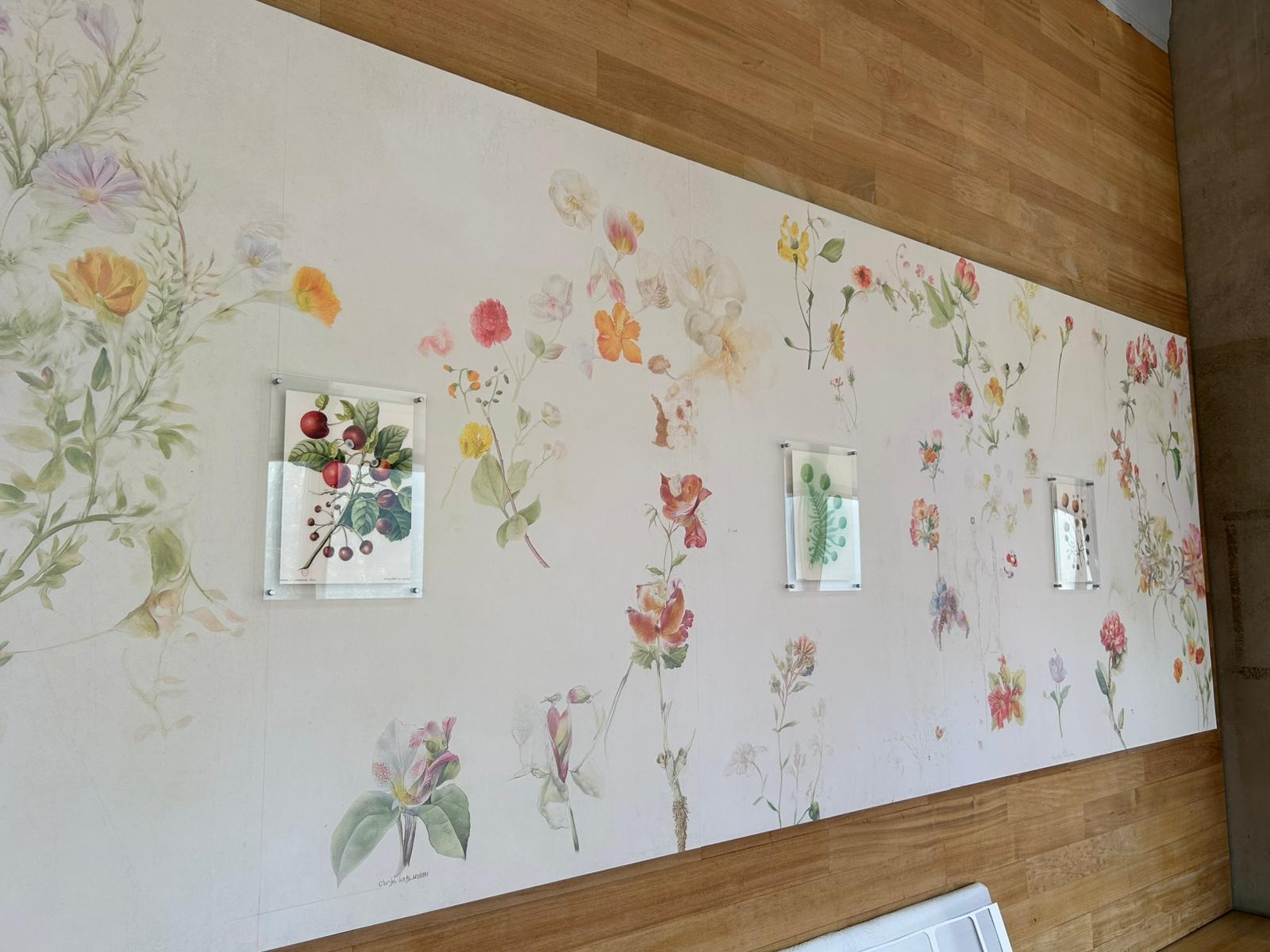
The works are presented at the Noûs festival, hosted by the Bibliothèque nationale de France with Fisheye magazine. They appear within a 100-meter algorithmic fresco.
This installation extends the experiment into space, assembling images into a continuous composition. The fresco backgrounds are generated using the same proportional method, combined with a dedicated fresco generation approach.